

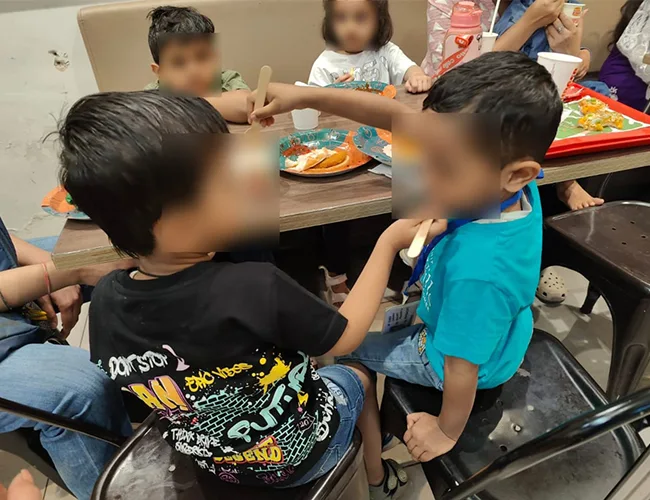
Raising Resilient Kids: The Role of Therapy in Building Emotional Strength
In today's fast-paced and complex world, children are increasingly facing emotional and psychological challenges that can impact their overall well-being. From academic pressures to social media influences, and family dynamics, young minds are not immune to stress. This is where therapy can play a pivotal role in supporting children's mental and emotional health. Early intervention can have a long-lasting positive impact on their development and future.
Therapy is not about fixing something broken, it's about supporting growth and fostering change.
Children, like adults, can experience anxiety, depression, behavioral issues, and trauma. The key difference is that children often lack the vocabulary and emotional awareness to express their distress. They may act out in ways that are confusing to parents or caregivers, such as tantrums, withdrawal, or difficulty in school. Therapy provides a safe, structured space where children can process their emotions, develop coping mechanisms, and learn to communicate their feelings more effectively.

Common Reasons Children May Need Therapy:
- Anxiety and Depression: Increasing academic and social pressures can lead to mental health issues like anxiety or depression in children.
- Behavioral Issues: Disruptive or aggressive behaviors, difficulties in school, or changes in personality may indicate that the child is struggling with underlying emotional issues.
- Trauma: Children who have experienced traumatic events, such as abuse or witnessing violence, can benefit immensely from therapy.
- Developmental Disorders: Therapy also supports children with autism, ADHD, or learning disabilities in navigating their unique challenges.
Types of Therapy for Children
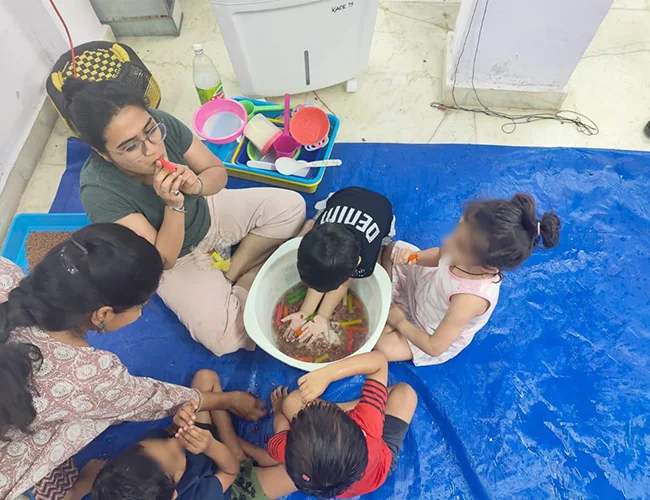
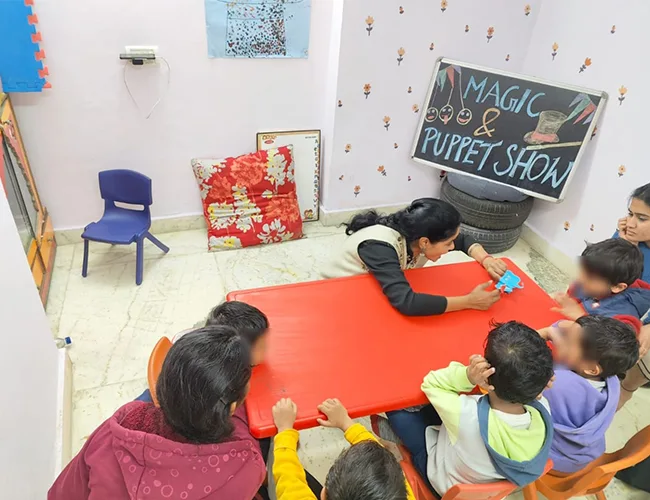
Several therapeutic approaches are tailored to meet the needs of children. These therapies create a child-friendly environment that encourages them to express themselves in ways that feel comfortable.
What resilience looks like in daily life
Resilience does not mean a child never cries, worries, or gets upset. It means the child slowly learns how to recover after hard moments. A resilient child can ask for help, name a feeling, try again after a mistake, tolerate small changes in routine, and feel safe enough to talk about what is difficult.
Signs your child may need emotional support
- Frequent meltdowns, shutdowns, clinginess, or anger that feels bigger than the situation.
- Avoiding school, play, social situations, sleep, or activities they previously enjoyed.
- Physical complaints such as stomach aches or headaches during stressful routines.
- Difficulty expressing feelings, accepting correction, losing a game, or handling changes in plans.
How parents can build resilience at home
Start with predictable routines and calm language. Instead of telling a child not to cry, try naming the feeling and the next step: this feels frustrating, so let us take one breath and try the first part again. Small repeated moments like this teach the brain that emotions are manageable.
Children also need chances to solve age-appropriate problems. Let them make simple choices, wait briefly, clean up after a spill, ask for help, or repair after conflict. Therapy can guide parents on which challenges are healthy and which ones are too overwhelming for the child right now.
When to speak with a therapist
If emotional struggles are affecting sleep, school, friendships, learning, or family routines, an assessment can help. Beyond Therapy Centre supports families in Ghaziabad and Delhi NCR with child-focused therapy, parent guidance, and developmental support. You can also explore our social communication support and special education services.