

Early Signs Your Child May Need Developmental Support
Every child develops at their own pace, but some delays or difficulties can be early signals that extra support may help. Noticing these signs early does not mean something is wrong with your child. It simply gives families a chance to understand their child better and provide the right help at the right time.
Early support can turn daily struggles into small, confident steps forward.
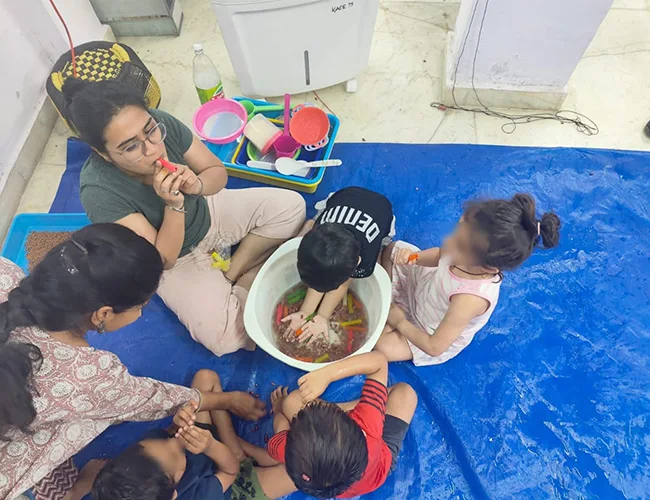
Parents often notice small things first: a child may not respond consistently to their name, may avoid certain textures, may struggle to sit, jump, speak clearly, follow instructions, or play with peers. These patterns can be connected to speech and language needs, sensory processing, motor development, learning challenges, or social communication skills.
Signs Parents Should Watch For
- Speech or language delays, such as limited words, unclear speech, or difficulty understanding simple instructions.
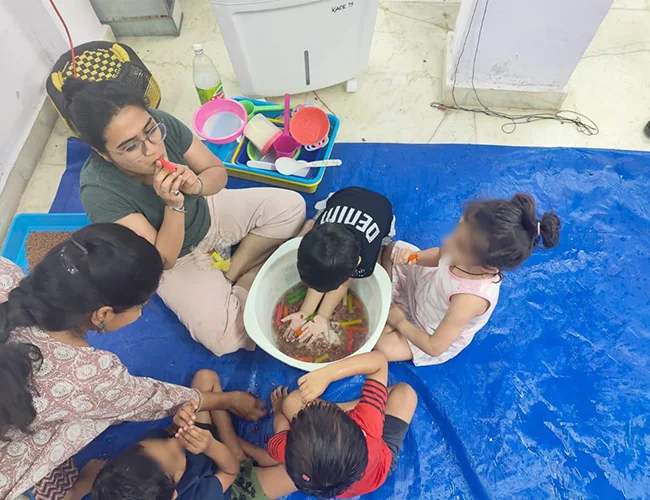
- Sensory sensitivities, including strong reactions to sounds, textures, movement, grooming, or crowded spaces.
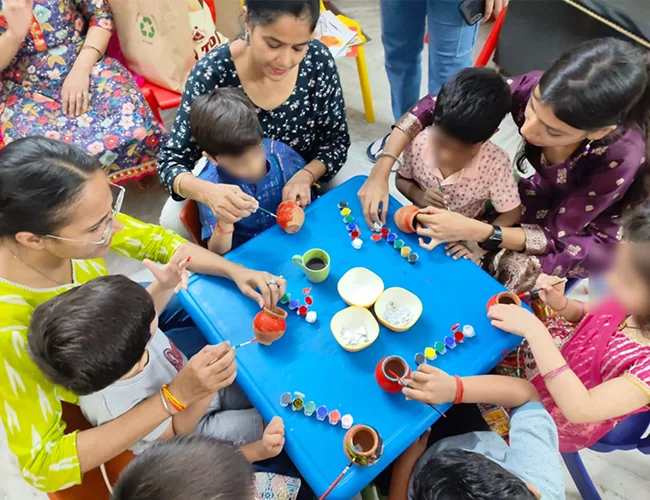
- Motor difficulties, such as frequent falls, poor balance, weak grip, delayed milestones, or trouble with handwriting and self-care tasks.
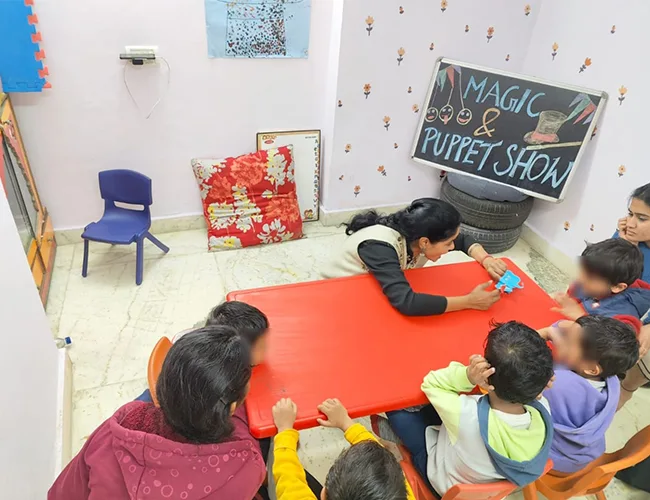
- Social or learning concerns, including limited eye contact, difficulty playing with peers, short attention, or frustration during learning activities.
What to Do Next
If you notice these signs, start by observing patterns across daily routines. A professional assessment can help identify whether your child may benefit from speech therapy, occupational therapy, child physiotherapy, special education, or social communication support. The goal is not to label the child, but to build a plan that helps them feel understood, capable, and confident.
Questions parents can note before an assessment
A short observation diary can make the first consultation much more useful. Write down when the concern happens, what happened just before it, how your child reacted, and what helped them settle or participate again. Patterns across home, school, meals, sleep, play, and outings often reveal which kind of support is needed.
- Does your child understand instructions better than they can express themselves, or is understanding also difficult?
- Are sensory reactions linked to sound, touch, food, grooming, movement, clothing, or crowded places?
- Are motor concerns mainly about running and balance, or about hand skills such as pencil use, buttons, and feeding?
- Does the concern appear everywhere, or mostly in specific settings such as school, parties, or bedtime?
Which therapy might be recommended?
Developmental support is not one single service. A child with unclear speech may need speech therapy. A child with sensory, fine motor, handwriting, or self-care difficulties may benefit from occupational therapy. Balance, posture, movement, and gross motor concerns may point toward child physiotherapy. Learning readiness or classroom support may require special education.
Early support is not a label
Many parents worry that assessment means their child will be labelled. A good developmental assessment should do the opposite: it should explain your child's strengths, needs, and next steps in practical language. Beyond Therapy Centre supports families from Ghaziabad, East Delhi, Vaishali, Indirapuram, Vasundhara, and nearby Delhi NCR areas. You may also find these condition guides helpful: speech delay in children, developmental delay, sensory processing disorder, and autism support.