

Different Is Still Normal
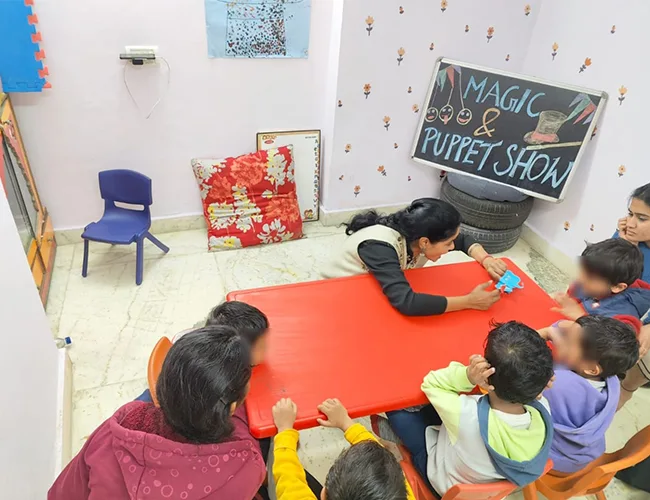
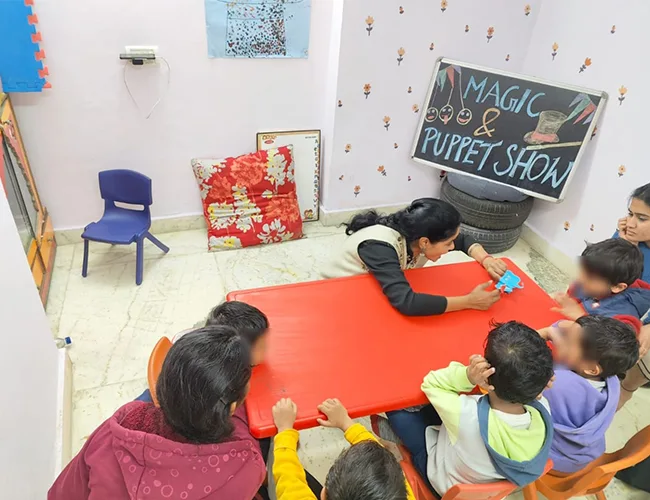
Some children speak later, move differently, avoid noisy places, need more time with transitions, learn at a different pace, or communicate in ways adults do not expect. These differences can worry parents, especially when other people compare milestones or offer quick judgments. But different development is not a failure. It is information about how a child experiences the world.
Support works best when it begins with understanding, not comparison.
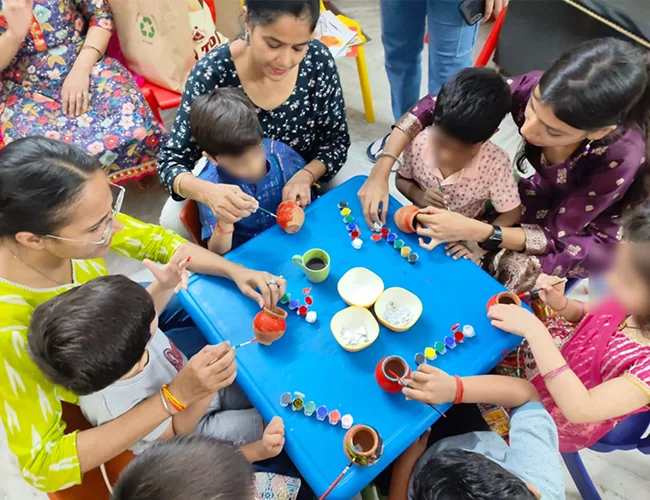
The purpose of therapy is not to make every child look the same. The goal is to help the child participate more comfortably in daily life: communicating needs, playing with others, managing sensory input, learning at school, building independence, and feeling understood by the people around them.
Differences families commonly notice
- Communication differences, such as limited words, unclear speech, repeating phrases, or difficulty with back-and-forth conversation.
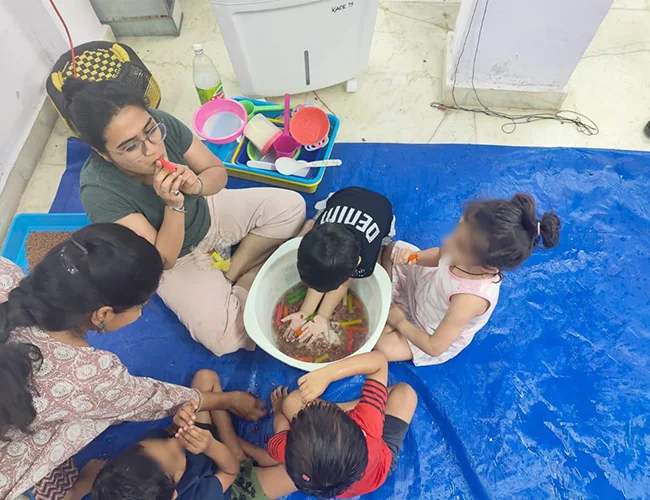
- Sensory differences, including covering ears, avoiding textures, seeking movement, picky eating, or discomfort in busy environments.
- Learning and attention differences, such as difficulty following instructions, sitting for tasks, copying, handwriting, or completing classroom work.
- Social and emotional differences, such as needing more preparation for change, struggling with peer play, or becoming overwhelmed quickly.
What supportive therapy should feel like
Supportive therapy should be respectful, practical, and child-led enough to protect confidence. A therapist should explain what they are seeing, set realistic goals with the family, and connect sessions to real routines such as meals, school, dressing, play, sleep, and communication at home.
How parents can support a child who develops differently
Start by replacing comparison with observation. Instead of asking why your child is not doing what another child does, ask what helps your child feel safe, attentive, regulated, and successful. Predictable routines, visual cues, simple language, sensory breaks, and small choices can make daily life easier.
Celebrate functional progress. A child asking for help, tolerating a haircut for two more minutes, trying a new texture, using a picture to communicate, taking turns once, or dressing with one less prompt is real progress. These small wins build independence and confidence over time.
Finding the right support in Ghaziabad
Beyond Therapy Centre supports children with developmental differences through speech therapy, occupational therapy, social communication support, and special education guidance for families across Ghaziabad and Delhi NCR.